

.avif)
Clean Your Furnace Filters for Optimal Heating Efficiency
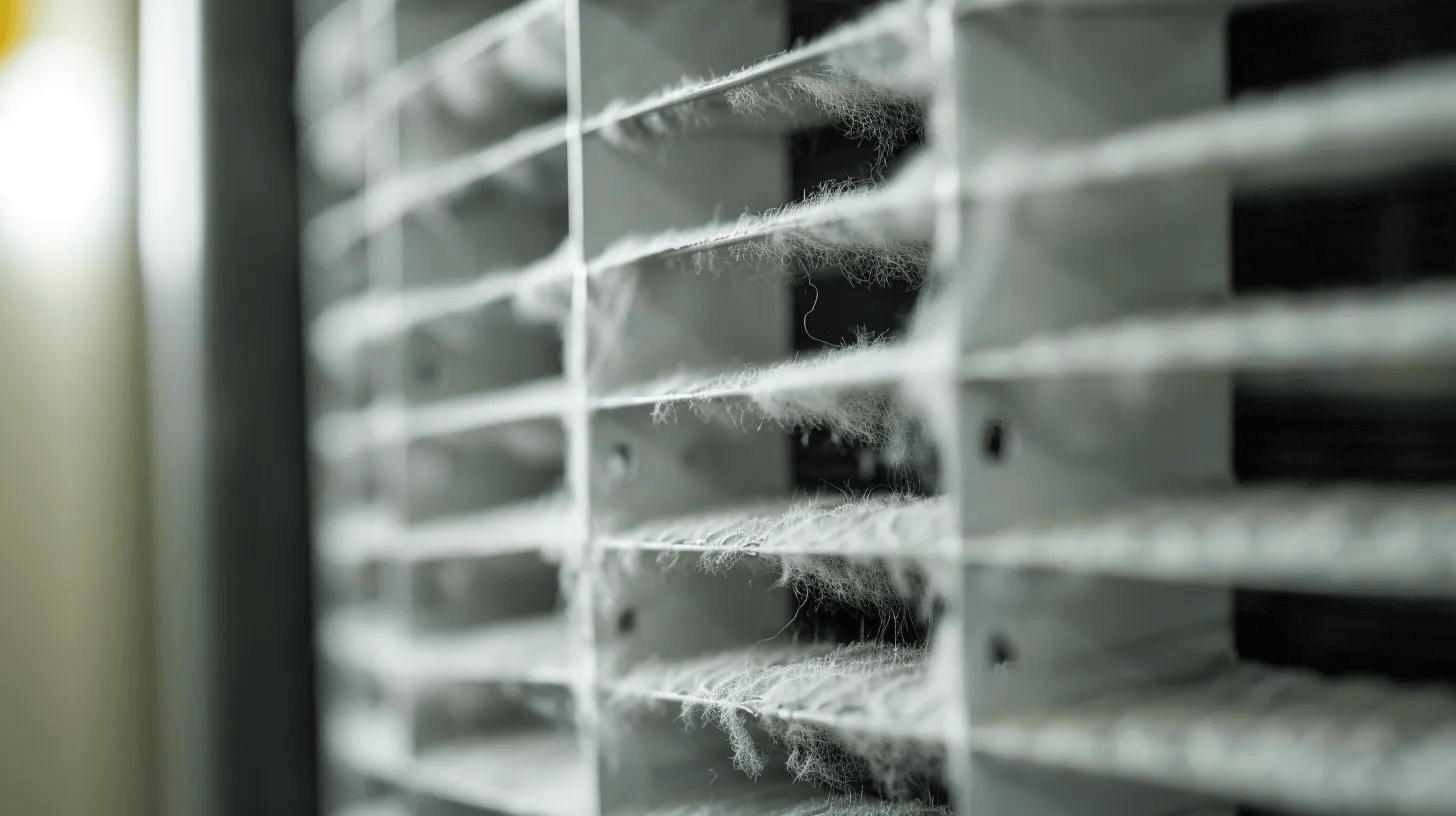
Clean Your Furnace Filters for Optimal Heating Efficiency
How to Clean Furnace Filters: Step-by-Step Guide for Effective HVAC Filter Maintenance
Furnace filter cleaning removes accumulated dust, pollen, and debris from the filter media so your heating system can move air efficiently and maintain healthy indoor air quality. This guide explains practical, safe steps for cleaning reusable furnace filters, how to identify filter types and MERV implications, when replacement is preferable, and how local Yuma conditions affect maintenance frequency. Keeping filters clean is one of the simplest ways to improve heating efficiency, reduce energy waste, and lower allergy symptoms in the home. Frozen Refrigeration LLC serves Yuma homes with HVAC expertise and local indoor air quality solutions, so readers can follow DIY steps here and know when to call professionals. This article covers why regular cleaning matters, how to identify filters, step-by-step washable filter care, timing guidelines for Yuma’s desert climate, answers to common questions, and when to seek professional filter maintenance and ductwork cleaning.
Why Is Regular Furnace Filter Cleaning Important for Your HVAC System?
Regular furnace filter cleaning keeps airflow moving through the system and reduces the pressure the blower motor must overcome, which directly supports heating efficiency and system longevity. Clean filters trap particulates before they circulate indoors, lowering dust levels and reducing allergy triggers for occupants, which improves indoor air quality. Neglecting maintenance raises static pressure, increases energy use, and accelerates component wear, making preventative cleaning a cost-effective step in HVAC filter maintenance. Below is a concise list of primary benefits and common signs that a filter needs attention so homeowners can prioritize action quickly.
Clean furnace filters provide several measurable benefits for homeowners:
- Improved Heating Efficiency: Reduced blower work lowers energy consumption and helps maintain steady temperatures.
- Better Indoor Air Quality: Capturing dust, pollen, and pet dander reduces airborne allergens and surface dust.
- Extended Equipment Life: Less strain on motors and heat exchangers reduces the risk of premature failure.
- Fewer Service Calls: Timely filter care lowers the chance of system breakdowns and emergency repairs.
These benefits translate into both comfort and savings for typical households, and they establish the baseline decision point for when a homeowner should attempt DIY cleaning versus scheduling a professional inspection. For persistent pressure drops, odd noises, or visible system contamination, a professional inspection is recommended; Frozen Refrigeration LLC can perform detailed system diagnostics and service options in the Yuma area.
How Does a Clean Furnace Filter Improve Energy Efficiency and Indoor Air Quality?
A clean furnace filter maintains unrestricted airflow through the filter media and ductwork, which reduces fan power and prevents the system from operating longer than necessary to reach set temperatures. The mechanism is straightforward: lower airflow resistance means the blower circulates air more efficiently, which reduces runtime and energy consumption while maintaining even heat distribution. Cleaner filters also capture finer particulates that would otherwise recirculate, meaning fewer allergens and less dust deposition on surfaces inside the home. Homeowners typically notice lower monthly heating energy use and fewer allergy symptoms when filters are regularly cleaned or replaced, making filter maintenance a high-impact, low-effort efficiency strategy.
These airflow and IAQ benefits lead directly into understanding the risks of neglect, since the same mechanics that improve efficiency also prevent the common failure modes that result from heavy filter loading.
Smart HVAC Filtration for Indoor Air Quality and Energy Efficiency
Air filters play a vital role in HVAC systems by preventing pollutants such as dust and smoke from circulating indoors. Poor air filtration negatively impacts Indoor Air Quality (IAQ) and increases energy consumption. This study aims to develop a real-time air quality monitoring system for ducted air conditioning systems, specifically in an Air Handling Unit (AHU), to enhance filtration efficiency and optimize HVAC performance while improving IAQ. The system integrates humidity, temperature, dust, and airflow sensors with an Arduino microcontroller to collect and display real-time data. Two sensors were placed at pre-filter and post-filter positions to measure airborne particle concentration before and after filtration. Experimental results show that Sensor 1 recorded higher dust levels, while Sensor 2 measured significantly lower values, confirming the air filter’s effectiveness. Clogged filters were found to reduce airflow by up to 50%, increasing energy consumption by
What Are the Risks of Neglecting Furnace Filter Maintenance?
When filters become heavily loaded with dust and debris, they increase static pressure upstream of the blower, forcing the motor to work harder and run longer to maintain setpoint temperatures. Over time that extra load can cause overheating of blower motors, reduced heat output, and in extreme cases increased risk of component failure or premature repairs. Neglected filters also allow more particulates into ductwork, which can settle and require professional duct cleaning to restore airflow and IAQ. Recognizing signs such as reduced airflow, rising energy bills, unusual odors, or frequent cycling signals that filter maintenance is overdue and that a professional evaluation may be warranted to check for secondary damage.
How Do You Identify Different Types of Furnace Filters and Their Cleaning Needs?
Identifying a furnace filter type begins by examining its frame, labeling, and media: washable filters often have a metal or plastic frame and a durable mesh or electrostatic media, while disposable pleated filters typically have cardboard frames and fibrous media. Each filter family has different cleaning and replacement rules based on material and MERV rating, so correct identification guides whether cleaning is appropriate or if replacement is safer. Understanding these distinctions helps homeowners choose the right maintenance approach for their HVAC filters, optimize filter maintenance schedules, and select appropriate filter upgrades when IAQ or efficiency needs change.
Different filter types and basic cleaning allowances are summarized in the table below to help homeowners decide at a glance which approach fits their equipment and indoor air priorities.
This comparison clarifies that washable filters are practical where manufacturer guidance allows cleaning, while high-efficiency media like HEPA generally require replacement rather than washing to preserve performance.
What Are the Differences Between Washable, Disposable, Electrostatic, and HEPA Filters?
Washable filters are designed to be rinsed and reused multiple times and usually have durable frames and media, offering long-term cost savings when maintained correctly. Disposable pleated filters provide higher MERV ratings at low upfront cost but require periodic replacement and generate recurring expense; they are not suitable for washing. Electrostatic filters rely on charged fibers to capture particles and exist in both reusable and disposable forms, so owner guidance and labeling determine whether washing is safe. HEPA-level filtration provides the highest particle capture but is typically used in dedicated purifiers or as part of specialized in-duct upgrades and requires cartridge replacement rather than washing to maintain integrity.
Choosing between these types involves balancing filtration efficiency, airflow impacts, maintenance effort, and the specifics of your heating system—choices that directly influence cleaning frequency and overall furnace filter care.
How Do MERV Ratings Affect Filter Performance and Cleaning Frequency?
MERV ratings quantify a filter’s ability to capture particles of different sizes, with higher MERV numbers indicating finer filtration and greater particle capture efficiency. Higher-MERV filters trap more pollutants but can restrict airflow if the HVAC blower isn’t sized for the added resistance, which may necessitate more frequent inspection or professional evaluation. Lower-MERV or washable filters tend to allow more airflow and are often easier to clean, while high-MERV and HEPA filters are replaced on scheduled intervals to avoid excessive pressure drop. For typical Yuma households, a mid-range MERV (e.g., 6–8) often balances filtration and airflow, whereas allergy-sensitive homes may opt for higher MERV with professional guidance to avoid negative impacts on heating efficiency.
These technical trade-offs point toward how-to cleaning steps for washable filters and when to consult professionals for upgrades or ductwork compatibility checks.
What Are the Step-by-Step HVAC Filter Cleaning Steps for Washable Furnace Filters?
Cleaning a washable furnace filter requires a safe preparation routine, appropriate cleaning methods, and careful drying before reinstalling to preserve media integrity and airflow performance. Begin with power-off precautions, then remove and inspect the filter for tears or degradation; if the media is damaged or excessively compressed, replacement is safer than cleaning. Use a vacuum as a first pass to remove loose dust, then rinse or soak using gentle water flow and a mild detergent or diluted vinegar for oily deposits, always rinsing from the clean side to the dirty side if manufacturer guidance specifies. Finally, allow the filter to dry fully, inspect seals and gaskets, and reinstall with correct airflow orientation to ensure optimal furnace filter maintenance.
Below are numbered steps for a standard washable filter cleaning procedure that prioritize safety and media preservation.
- Power Down the System: Turn off the HVAC power at the thermostat and switch to prevent blower activation during removal.
- Remove and Inspect: Carefully slide the filter out, note the airflow arrow, and check for holes, tears, or warped frames.
- Vacuum Loose Debris: Use a soft brush attachment to remove surface dust before introducing water.
- Rinse and Soak as Needed: Rinse with low-pressure water; soak in warm water with mild detergent or diluted vinegar for stubborn grime.
- Air-Dry Completely: Place on a clean surface in shade and allow full drying before reinstalling to prevent mold or media damage.
Following this sequence preserves filter structure and prevents common mistakes; if the filter does not regain proper shape or remains discolored after cleaning, replacement is recommended. For advanced cleaning, visible duct contamination, or system issues observed during inspection, contact a local professional—Frozen Refrigeration LLC offers targeted filter servicing, duct cleaning, and HVAC diagnostics in Yuma.
How Do You Safely Prepare and Remove Your Furnace Filter?
Begin by switching the furnace and blower off and, if available, turning off power at the breaker to eliminate any risk of the fan starting during handling. Locate the filter slot—often at the furnace intake or in a return-air grille—observe the airflow arrow printed on the filter frame, and place a drop cloth or newspaper beneath the access to catch dislodged dust. Remove the filter slowly to avoid sending dust into the living space, and inspect the edges for gaps or a damaged gasket that could reduce sealing performance. Store the filter in a protected area while cleaning, and always follow manufacturer labels to confirm whether the filter is designed to be washed or replaced.
This safe removal prepares the filter for the cleaning methods that follow and reduces cross-contamination inside the home while ensuring the unit remains off throughout the process.
What Are the Best Methods to Clean Washable Furnace Filters Effectively?
Start with a vacuum brush attachment to lift loose particles, working from the clean side outward to prevent pushing debris deeper into the media. For more embedded dirt, rinse with lukewarm water using a gentle spray, directing flow from the clean side toward the dirty side unless the manufacturer specifies otherwise; aggressive pressure can deform pleats or damage electrostatic coatings. For oily residues or sticky dust, soak the filter briefly in warm water with a mild dish detergent or a 1:4 vinegar-to-water solution, gently agitating the media and then thoroughly rinsing until water runs clear. After cleaning, visually inspect for remaining residue, tears, or warped pleats—if any damage is present, replace the filter rather than reinstalling it.
These cleaning options emphasize preserving media structure and preventing damage that would reduce filtration efficiency or restrict airflow, and they lead into the critical drying and reinstallation steps that finalize proper furnace filter care.
What Are Common Questions About Furnace Filter Cleaning?
Homeowners frequently ask focused, practical questions about safe cleaning, which filters can be washed, and how often reusable units should be serviced; concise answers help prevent common mistakes. This section provides short, actionable responses and links the reader to detailed steps and decision criteria earlier in the guide. Clear guidance here reduces the chance of washing disposable media or reusing damaged filters and supports safe DIY filter maintenance.
How Do You Clean a Dirty Furnace Filter Safely?
Clean a dirty washable furnace filter by first powering down the system and using PPE such as a dust mask and gloves if dust levels are high. Remove the filter carefully to avoid dislodging dust, vacuum the surface gently, and rinse with low-pressure water; use mild detergent or diluted vinegar for stubborn grime followed by a thorough rinse. Allow full air drying away from direct heat before reinstalling and inspect for tears or warping that would require replacement. If the filter is disposable or shows irreversible damage, do not attempt washing—replace it with the correct size and MERV rating for your system.
Can You Wash All Furnace Filters with Water?
No—only filters explicitly labeled as washable or reusable should be washed; disposable pleated filters and HEPA media are typically damaged by water and must be replaced. Visual cues for washable filters include a metal or durable plastic frame and labeling that indicates washable or reusable status, while cardboard-framed pleated filters are almost always disposable. Always check manufacturer guidance printed on the frame or packaging before attempting any cleaning to avoid reducing filtration efficiency or causing media breakdown. When unsure, replacing the filter is the safer option to protect system performance.
How Often Should Reusable Furnace Filters Be Cleaned?
Reusable filters should be inspected monthly and cleaned when visibly loaded or when airflow drops noticeably; many homeowners clean reusable filters every 1–3 months depending on household conditions. Factors such as pets, occupants with allergies, smoking, and local dust loads shorten intervals and may require monthly or biweekly cleaning during high-dust seasons. Record inspection dates and observations to detect patterns and refine a cleaning schedule that balances effort and performance. If a reusable filter requires cleaning more often than every month, consider a different filter strategy or professional evaluation of infiltration sources.
Conclusion
Regularly cleaning your furnace filters is essential for maintaining optimal HVAC performance and ensuring healthy indoor air quality. By improving heating efficiency, reducing energy costs, and extending the lifespan of your system, you can enjoy a more comfortable home environment. Don't wait for issues to arise; take proactive steps to care for your filters today. For expert assistance and quality HVAC solutions, explore our services at Frozen Refrigeration LLC.
Experience the Best AC Service in Yuma, AZ


